What are skin boosters?
Skin boosters are injectable treatments designed to improve the overall skin rather than change your facial shape.
Unlike filler, which adds structure or volume, a skin booster focuses on:
- hydration
- skin texture
- elasticity
- firmness
- glow
- improving the early signs of ageing
They are ideal for patients who want fresher, healthier-looking skin without looking like they have “had work done”.
What is SuneKos?
SuneKos is an injectable skin treatment made with hyaluronic acid and amino acids. That combination is what makes it different.
It is designed to support collagen and elastin production, which helps improve:
- fine lines and wrinkles
- crepey skin
- thin or fragile skin
- skin texture
- elasticity
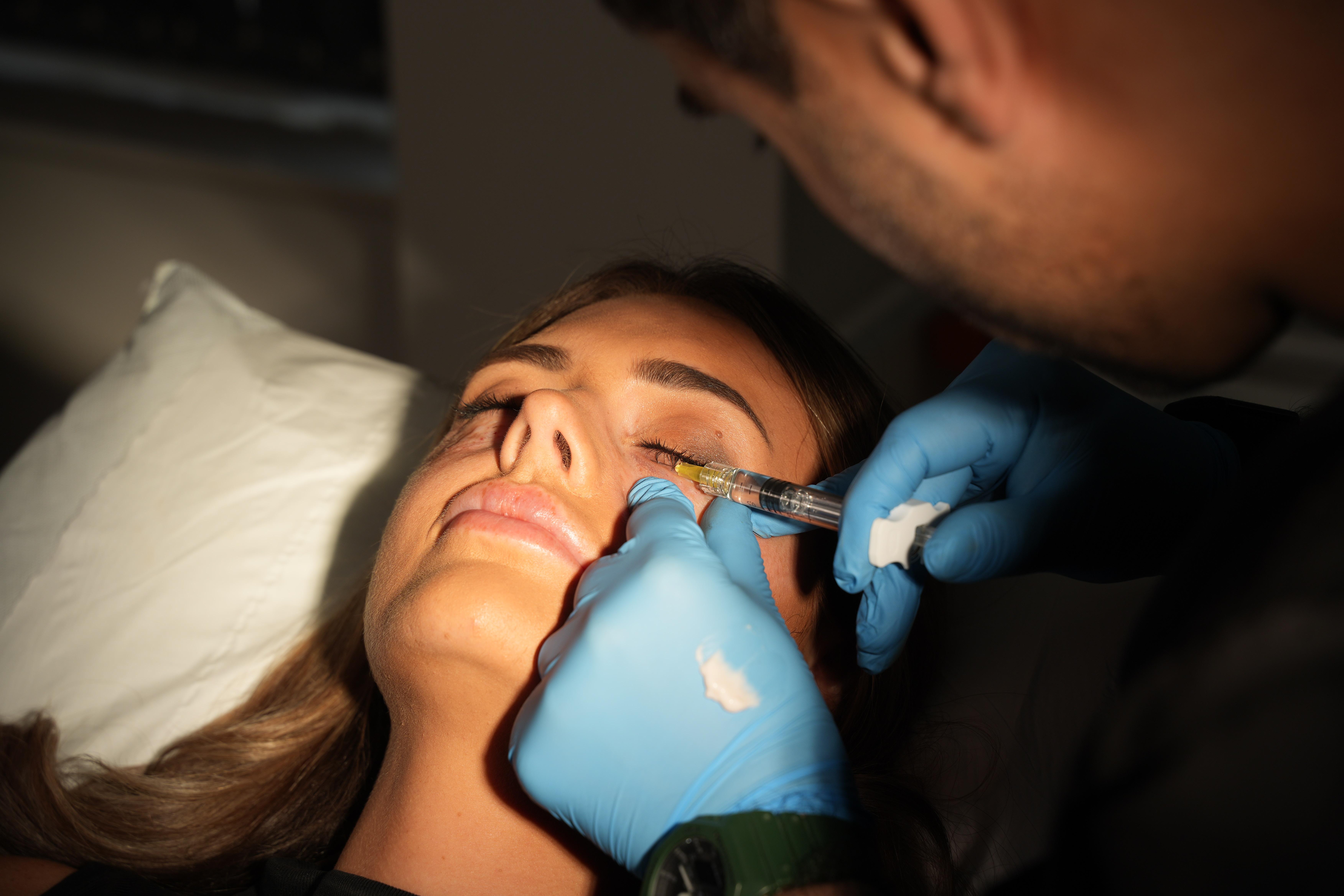
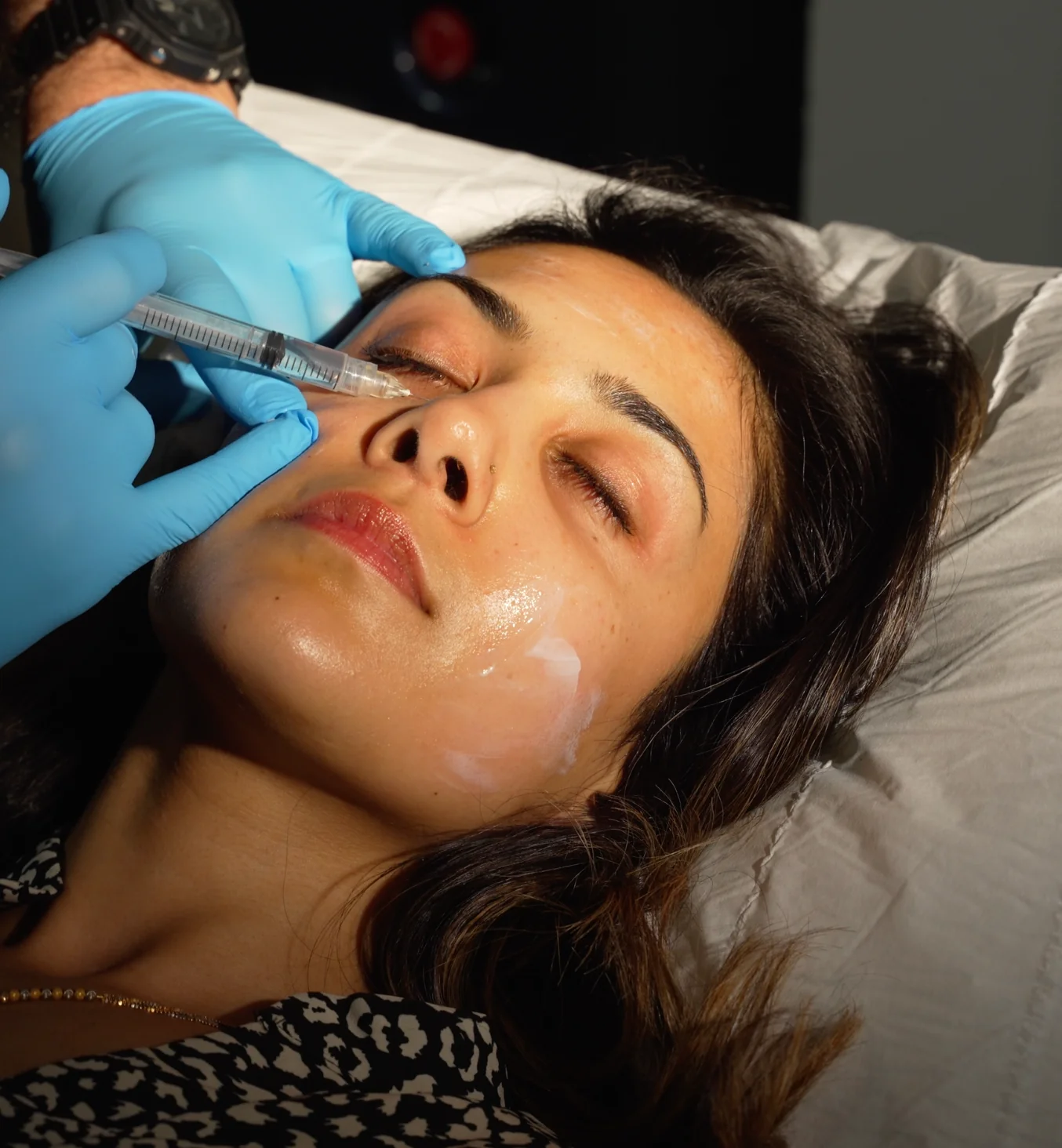
- delicate areas such as under the eyes
Because it contains amino acids as well as hyaluronic acid, SuneKos is often chosen when the goal is skin rejuvenation and repair, especially in areas where the skin has become thinner or more fragile.
In simple terms, SuneKos is ideal if your main concern is skin quality, fine lines, under-eye crepiness, or loss of elasticity in delicate zones. Learn more on our Sunekos treatment page.
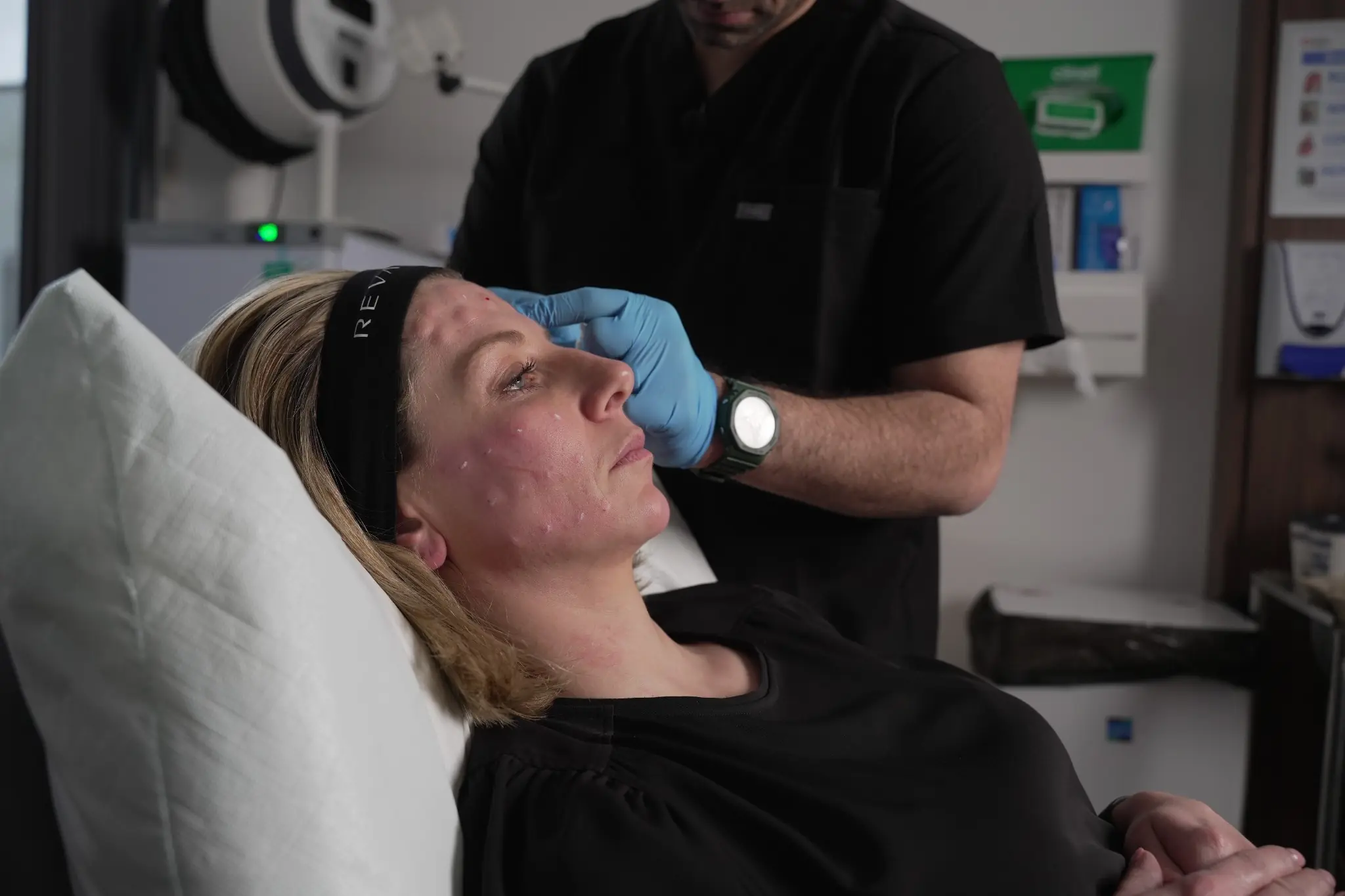
What is Profhilo?
Profhilo is also an injectable treatment, but it works differently.
It contains very high concentrations of hyaluronic acid and is known for its ability to spread through the tissue and deeply hydrate the skin. It is often described as a treatment that improves overall skin quality and gives a more radiant, hydrated, firmer look.
Profhilo is often chosen for:
- dull or tired-looking skin
- dehydration
- mild to moderate skin laxity
- loss of firmness
- early signs of ageing
- face, neck and décolletage rejuvenation
If SuneKos is more targeted and regenerative, Profhilo is more about deep hydration, skin remodelling and subtle skin tightening. Read more about Profhilo on our treatment page.
SuneKos vs Profhilo: what is the main difference?
The biggest difference comes down to what each treatment is best at.
SuneKos
- Contains hyaluronic acid and amino acids
- Focuses on stimulating collagen and elastin
- Better for delicate, crepey or thinner skin
- Often used under the eyes as well as on the face and neck
- Best for people wanting targeted skin rejuvenation
Profhilo
- Contains only hyaluronic acid
- Focuses on hydration and bio-remodelling
- Better for broader concerns across the face and neck
- Helps with skin laxity, glow and firmness
- Best for people wanting a fresher, more hydrated look
So when people search sunekos vs profhilo Leeds, what they usually really mean is:
Do I need targeted regeneration or broader hydration and remodelling?
Quick comparison table
Already decided book your consultation here!
Which is better for under-eye concerns?
This is one of the clearest differences.
If your main concern is:
- crepey under-eye skin
- fine lines around the eyes
- tired-looking eyes
- thin skin in delicate areas
SuneKos is usually the stronger option.
That is because it is better suited to fragile skin and is often used where traditional filler may not be the right choice.
Profhilo is excellent for improving overall skin quality.
But if the issue is under-eye crepiness or loss of elasticity, SuneKos is often a better plan. Other treatments available for treating the undereye area are:
Polynucleotides or tear trough fillers.
Which is better for hydration and glow?
If your skin feels:
- dull
- dehydrated
- tired
- slightly lax
- less bouncy than it used to be
Profhilo often comes out on top.
Profhilo is especially popular for patients who want a subtle refresh without volume. It is often chosen when someone says things like:
- “My skin just looks tired”
- “I’ve lost that glow”
- “My face feels a bit flat and dehydrated”
- “I want better skin, not filler”
For early signs of ageing and general skin revitalisation, Profhilo is often a great first step.
Which is better for skin laxity and crepey skin?
This depends on the area and the type of laxity.
For broader face and neck concerns and overall skin laxity, people often choose Profhilo. It gives all-over hydration and a remodelling effect.
For thinner, more fragile or crepey skin, especially in delicate areas, SuneKos may be the better fit because of the way it supports collagen and elastin production with amino acids.
So if the concern is:
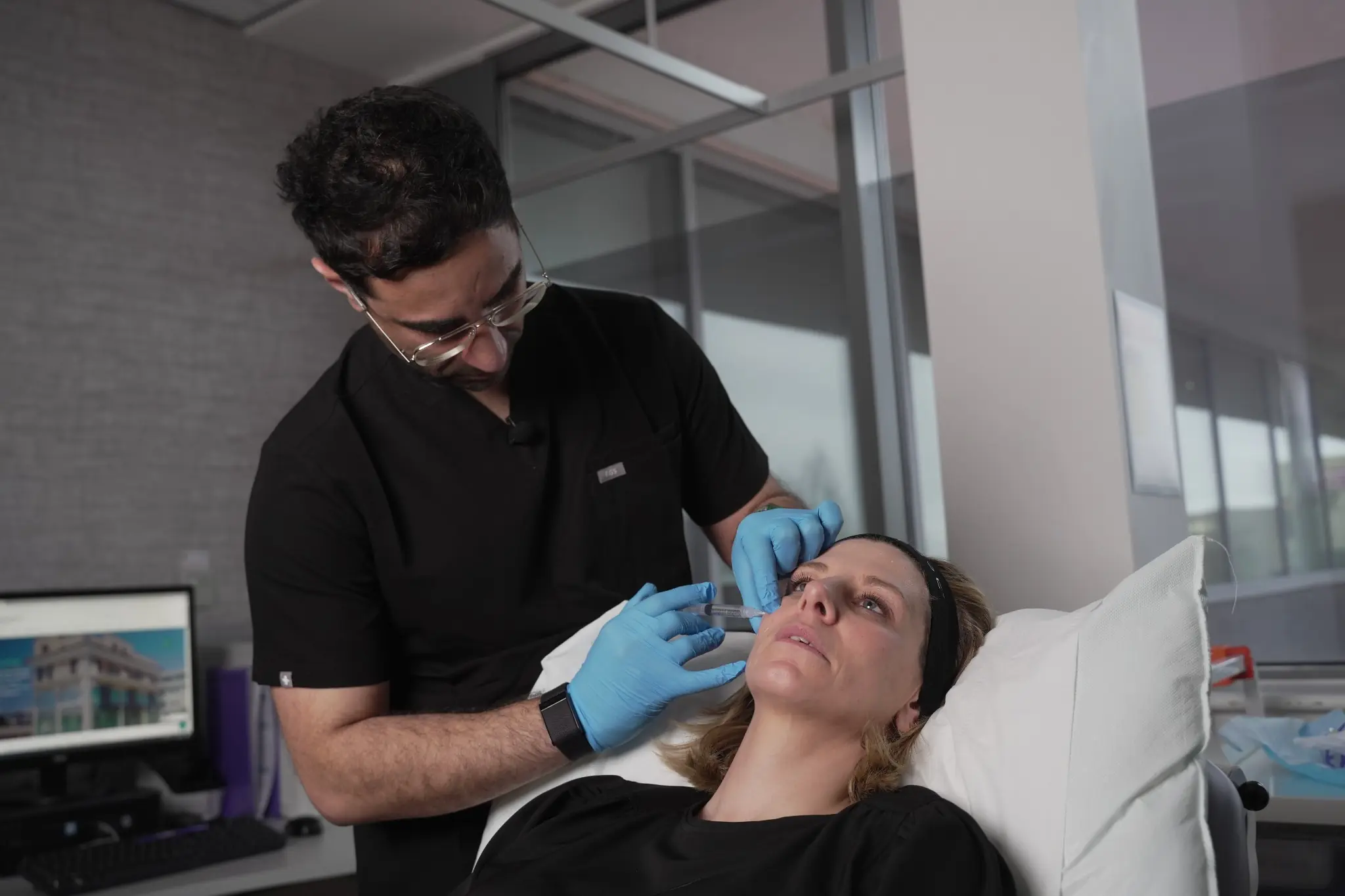
How many treatments do you need?
This matters to patients more than clinics sometimes realise.
SuneKos
SuneKos usually involves a course of 3 to 4 treatments, spaced around 7 to 10 days apart.
Profhilo
Profhilo usually involves 2 treatments, spaced about 4 weeks apart.
So if you want fewer appointments, Profhilo may feel more convenient. If you are happy with a slightly longer course for a more targeted regenerative approach, SuneKos may be worth it.
How long do results last?
Both treatments are commonly maintained every 6 months, although this varies depending on your individual skin, age, lifestyle and skincare.
In general:
- Profhilo gives a hydrated, fresh look that gradually develops over several weeks
- SuneKos gives a more gradual improvement in elasticity, texture and fine lines
Neither is a permanent fix. Both work best as part of a longer-term treatment plan.
Is one better than the other?
Not across the board.
That is where many competitor blogs stop too early. They compare ingredients, list benefits, then try to force a winner.
But clinically, that is not really how this works.
SuneKos may be better if:
- you have fine lines and wrinkles
- you are concerned about crepey skin
- you want to treat the under-eye area
- you want a more regenerative approach
- your skin is thin or fragile
Profhilo may be better if:
- your skin feels dehydrated
- you want better glow and hydration
- you have mild skin laxity
- you want fewer treatment sessions
- you want to improve skin quality across a larger area
Sometimes the best answer is both
For some patients, the best option is not SuneKos or Profhilo. It is a treatment plan that uses both at different stages or in different areas.
For example:
- SuneKos for under-eye crepey skin
- Profhilo for the lower face or neck
That is why a proper consultation matters.
SuneKos vs Profhilo in Leeds: how to choose the right one
If you are searching for the right skin booster in Leeds, the best treatment is the one that matches your skin concern properly.
At Skinfinity Clinic, we do not believe in pushing one injectable because it is trendy. We look at:
- your skin quality
- the area being treated
- whether the issue is hydration, laxity, texture or elasticity
- your goals
- how natural you want the result to look
- how much downtime and how many sessions suit you
The right answer is rarely “the most popular treatment”. It is the treatment that fits your face, your skin and your goals.
Final thoughts
When it comes to SuneKos vs Profhilo Leeds, neither is automatically better.
SuneKos is stronger for targeted regeneration, delicate areas, fine lines and crepey skin.
Profhilo is stronger for hydration, radiance, mild skin laxity and an overall skin refresh.
Both are excellent options. Both can improve skin quality. And both work best when chosen for the right reason.
If you are unsure which skin booster is right for you, the next step is a consultation. A qualified medical professional can assess your skin and create the right treatment plan for you.
At Skinfinity Clinic Leeds, we offer doctor-led consultations to help you choose the most suitable injectable treatment for your skin, whether that is SuneKos, Profhilo, or another regenerative option entirely.
Book a consultation at Skinfinity Clinic Leeds — Thorpe Approach, LS15 to find out which treatment is right for you.
FAQ's
What is the difference between SuneKos and Profhilo?
SuneKos and Profhilo are both injectable skin boosters, but they work differently.
Profhilo is a high-concentration hyaluronic acid treatment that deeply hydrates and improves skin laxity.
SuneKos combines hyaluronic acid with amino acids to stimulate collagen and elastin, making it better for improving skin texture and delicate areas.
Is SuneKos or Profhilo better?
Neither treatment is universally better.
Profhilo is better for overall hydration, glow and mild skin laxity.
SuneKos is better for fine lines, crepey skin and areas like under the eyes where skin needs regeneration.
Which is better for under eyes: SuneKos or Profhilo?
SuneKos is usually the better option for under-eye treatment.
It is designed to improve thin, crepey skin and fine lines, whereas Profhilo is not typically used for delicate under-eye areas.
Is Profhilo better for skin tightening?
Profhilo is often better for general skin tightening and laxity.
It spreads under the skin to improve hydration and firmness across larger areas like the face and neck.
How many sessions do SuneKos and Profhilo need?
Profhilo usually requires 2 sessions spaced 4 weeks apart.
SuneKos typically requires 3 to 4 sessions spaced 7–14 days apart for optimal results.
Which lasts longer: SuneKos or Profhilo?
Most patients notice initial improvements in hydration within 2–4 weeks of starting Profhilo. With SuneKos, early changes in skin texture and hydration are often visible within 3–5 days of the first session, with the full regenerative benefit building over 2–6 months as the course progresses.
Is SuneKos or Profhilo more natural?
Both treatments give natural-looking results.
SuneKos improves skin quality gradually, while Profhilo gives a subtle hydrated glow and firmer appearance.
Can you have SuneKos and Profhilo together?
Yes — many patients benefit from combining both treatments.
For example, SuneKos can be used for under-eye or crepey areas, while Profhilo improves overall skin hydration and laxity.
Which skin booster is best for ageing skin?
It depends on the concern:
- Fine lines and crepey skin → SuneKos
- Dehydration and skin laxity → Profhilo
A consultation is the best way to choose the right treatment.
How much does SuneKos vs Profhilo cost in Leeds?
At Skinfinity Leeds, SuneKos treatment starts from £250 per session, with full course pricing confirmed at consultation. Profhilo pricing starts at £350, course prices available on our treatments page. We are always transparent about costs before any treatment begins.
About the author

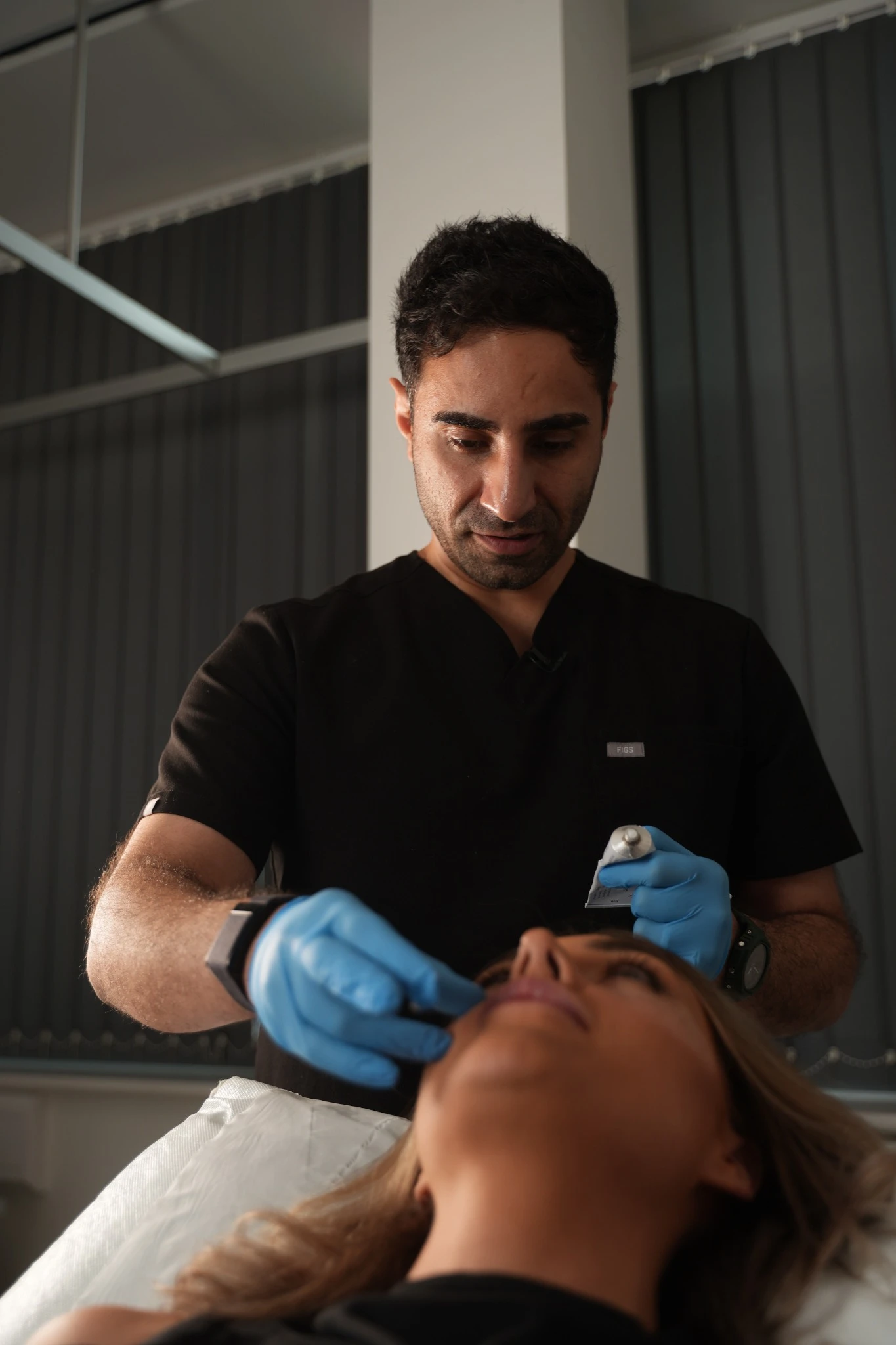
Dr Mahmoon Rashid, MBChB
Doctor and Clinical Lead, Skinfinity Cosmetic Clinic
Dr Mahmoon Rashid is a qualified doctor and Clinical Lead at Skinfinity Cosmetic Clinic in Leeds, where every treatment is doctor-led. His focus is regenerative, skin-quality treatments, including Sunekos, polynucleotides, Julaine and chemical peels, alongside OBSERV-led skin assessment and structured collagen-banking plans.
He treats at Skinfinity's CQC-registered clinic within LivingCare Group Private Hospital at Thorpe Park, Leeds.
Meet Dr Mahmoon