What Are Polynucleotides? The Leeds Guide to the UK's Fastest-Growing Skin Treatment
What Are Polynucleotides?
Polynucleotides are a type of injectable skin treatment that works differently from traditional fillers or skin boosters. Rather than adding volume or simply hydrating the skin, they stimulate the skin's own biological repair process.
If you are looking for treatment, our page on polynucleotides in Leeds covers prices, what a course involves and how to book.
They come from purified DNA fragments, most often from salmon or trout. These fragments are carefully processed to be safe and biocompatible for humans.
You may have heard it called the “salmon sperm facial.” That nickname may raise eyebrows.
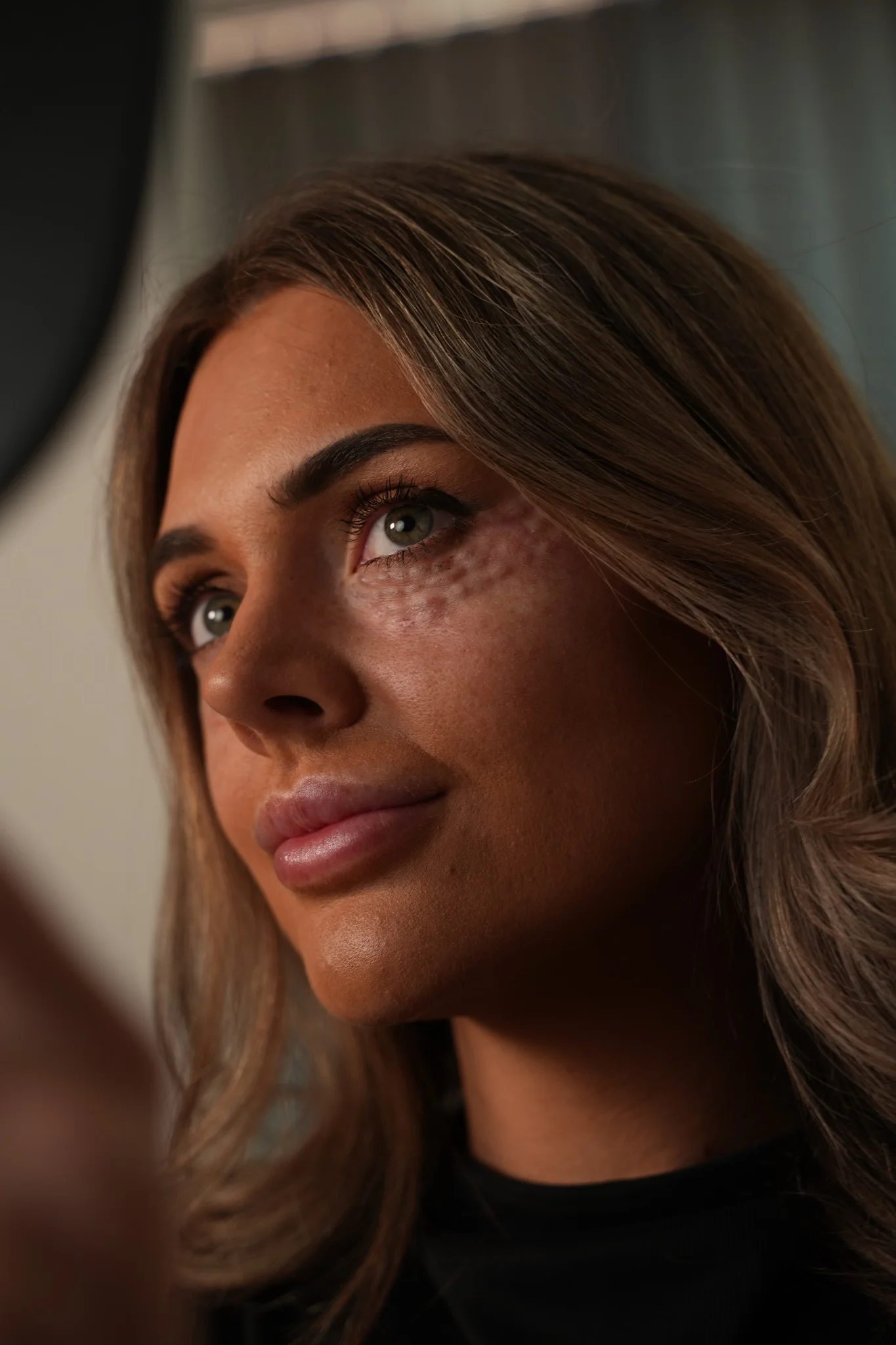
But the treatment is a clinically proven regenerative injectable. It has a strong safety record.
When injected into the skin, polynucleotides act as a biological signal. They tell skin cells to regenerate, repair, and make more proteins.
These proteins help keep skin firm and healthy. Unlike fillers, which create an immediate visible change, polynucleotides work with your skin's own biology, meaning results develop gradually and look completely natural.
How Do Polynucleotides Work?
The science is more straightforward than the name suggests. Here is what happens, step by step, when polynucleotides work in the skin:
- Polynucleotides are injected into the target area: Face, under-eyes, neck, hands or décolletage
- The DNA fragments signal fibroblasts: The cells in your skin responsible for producing collagen and elastin
- Fibroblasts are activated: Increasing their output of collagen, elastin and natural hyaluronic acid
- The extracellular matrix: The structural scaffolding that keeps skin firm and bouncy, begins to regenerate
- Polynucleotides also have anti-inflammatory properties: They help calm irritated or reactive skin. This is why they are often used for rosacea. They may also help with post-inflammatory hyperpigmentation.
- Skin quality improves gradually: Over several weeks, with each session in the course building on the last
How long do polynucleotides take to work?
Most patients start to see initial improvement within 2 to 4 weeks of their first session, with full results developing over 6 to 12 weeks as the skin regenerates naturally.
How Often Should You Have Polynucleotides?
Most patients start with a course of two to three polynucleotide sessions, spaced two to three weeks apart. After the initial course, maintenance treatments are recommended every six to nine months to preserve results. The exact frequency will depend on your skin concerns, how your skin responds, and your doctor's assessment at follow-up.
What Are the Benefits of Polynucleotide Treatment?
Because polynucleotides work with the skin's own biology, the benefits of polynucleotide treatment are broad and cumulative. Common improvements patients see include:
- Improved skin quality, tone and overall texture
- Reduced appearance of fine lines and wrinkles
- Deeper skin hydration and a more radiant complexion
- Improved skin elasticity and firmness
- Reduction in crepey or thinning skin
- Improvement in dark circles and tired-looking eyes
- Calmer, less reactive skin, polynucleotides reduce inflammation
- Improvement in scarring and sun-damaged skin
- Natural, gradual results that look like your own skin, not a treatment
Unlike dermal fillers that add instant volume, polynucleotide treatment works over time. This makes the improvement look completely natural. This is one of the reasons they have become one of the most popular regenerative aesthetic treatments in the UK.
What Skin Concerns Do Polynucleotides Treat?
Polynucleotides are most effective when the concern is skin quality rather than volume. They are commonly used to treat:
- Fine lines and early wrinkles
- Crepey or thinning skin
- Dull, tired-looking skin
- Loss of elasticity and firmness
- Dark circles and crepiness under the eyes
- Dehydrated or sun-damaged skin
- Scarring and uneven skin tone
- Early skin laxity on the face, neck and décolletage
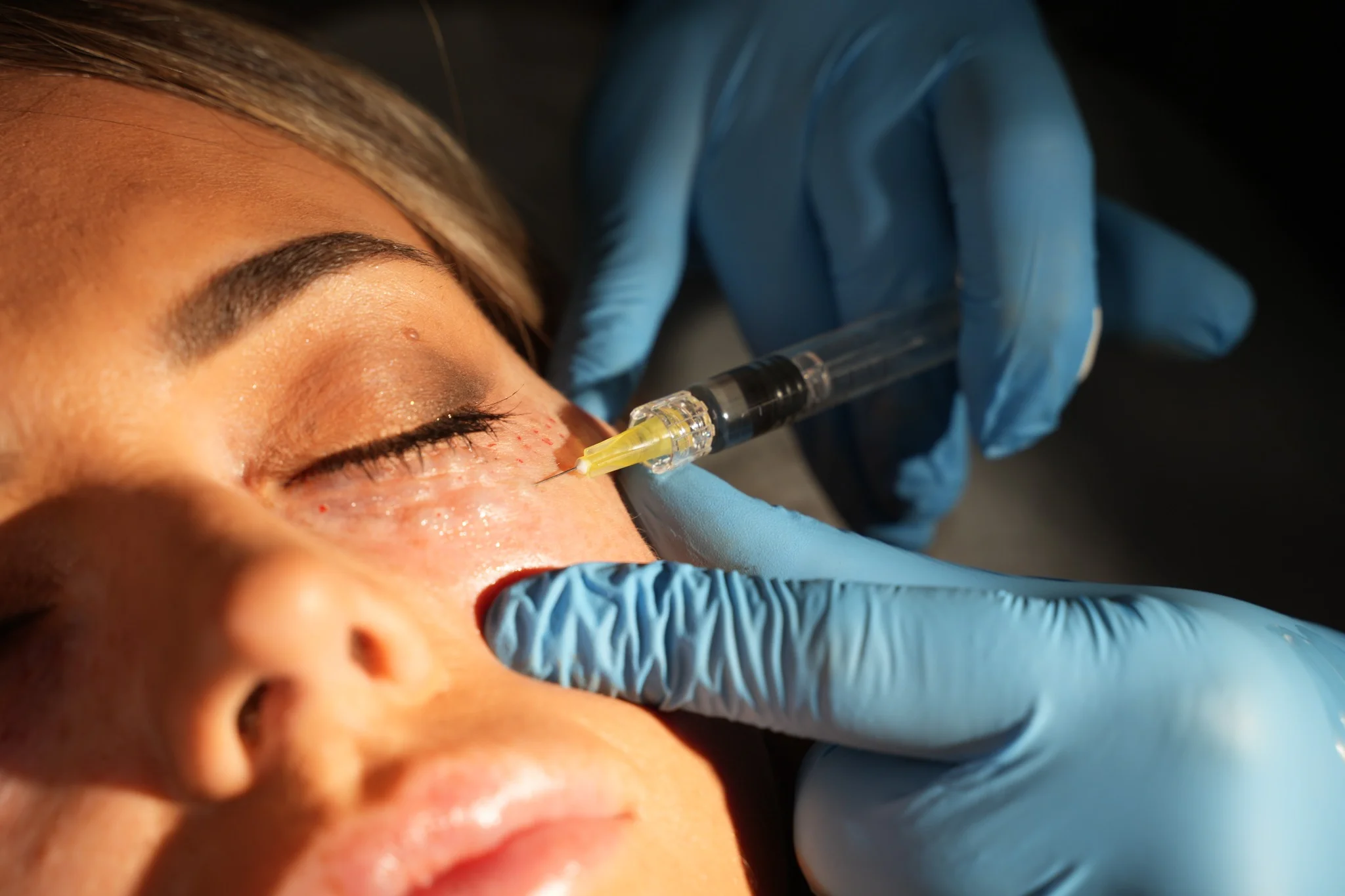
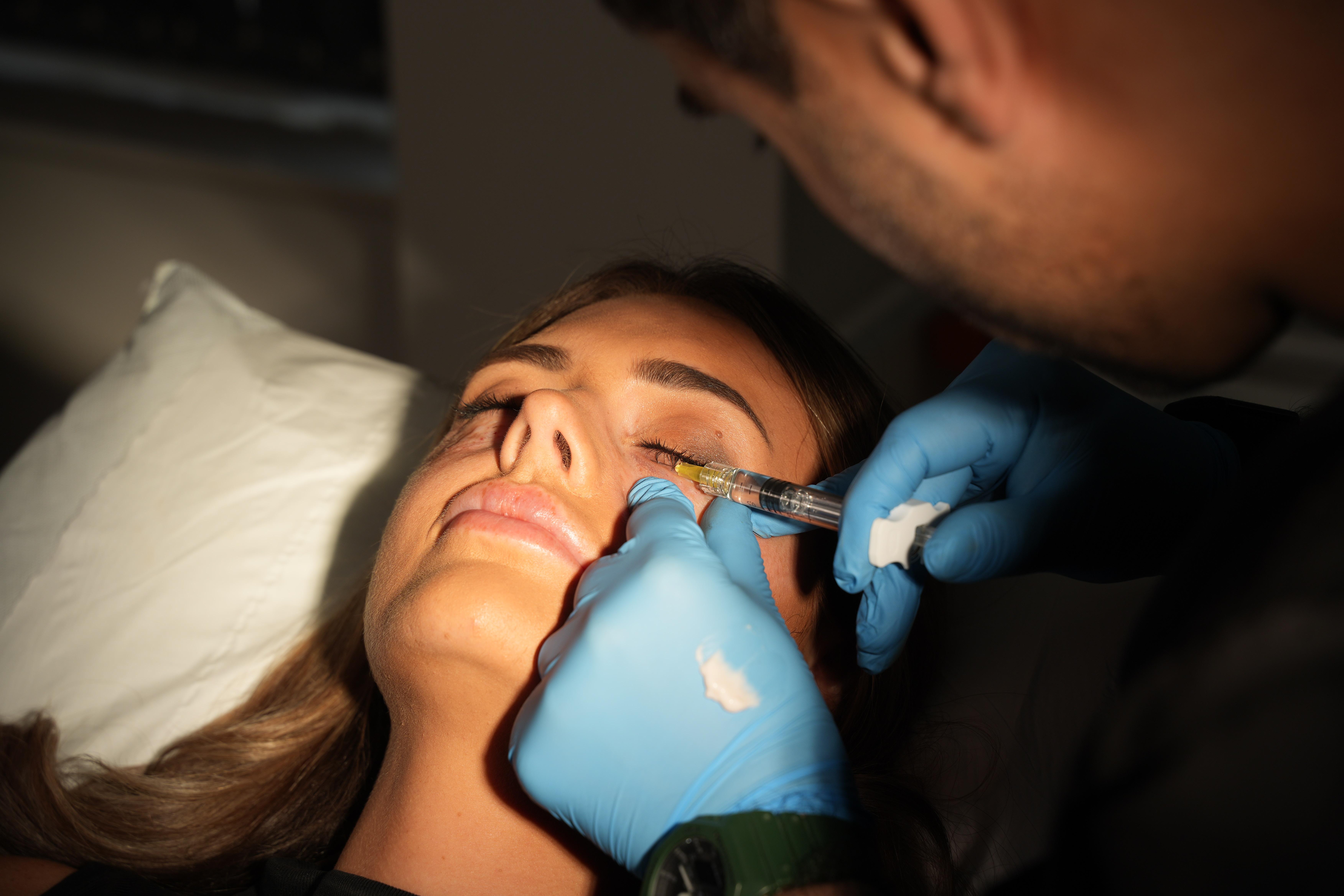
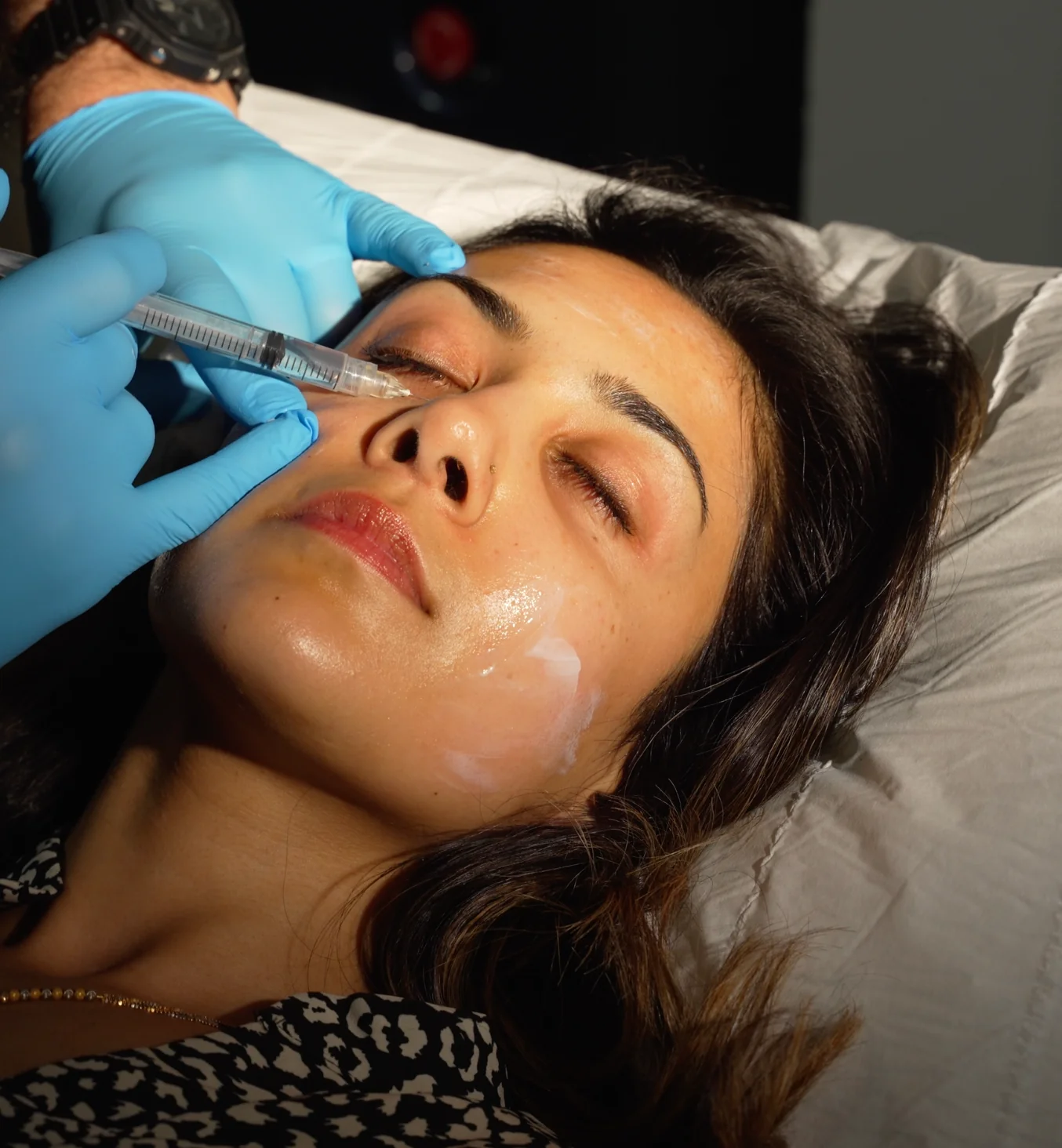
They are particularly effective in delicate areas, especially under the eyes, where filler may not be suitable. At our Leeds clinic, polynucleotides are a top request. Patients choose them to improve skin quality without adding volume. Many patients come to us specifically for this aesthetic treatment after noticing their skin is losing its natural resilience.
Polynucleotides vs PRP - What Is the Difference?
Both polynucleotides and PRP (Platelet Rich Plasma) are regenerative treatments. They use the body’s own processes to improve skin quality.
They work in different ways and suit different patients. PRP takes a small sample of the patient's own blood, processes it to concentrate the growth factors in the plasma, and injects it back into the skin. It is effective for overall skin rejuvenation, hair growth and skin quality improvement.
Polynucleotides use purified DNA fragments from salmon rather than the patient's own blood. They directly stimulate fibroblast activity and extracellular matrix regeneration, with particular suitability for delicate areas like under the eyes and the neck. Every treatment uses a clinically standardised formulation, at Skinfinity, we use Plinest by Mastelli.
Neither is universally better. The right choice depends on your skin concern, the area being treated, and what your doctor recommends during consultation.
Polynucleotides vs Profhilo - What Is the Difference?
Both polynucleotides and Profhilo are skin quality treatments rather than volumisers, but they work in different ways.
Many patients benefit from using both treatments in a wider care plan. For example, polynucleotides can help with crepey skin or under-eye concerns. Profhilo can improve overall skin hydration and laxity. During your consultation, your doctor will advise on the best approach for your skin.
Are Polynucleotides Safe?
Polynucleotides are considered very safe when performed by a qualified medical professional using a clinically tested product. At Skinfinity, all treatments are doctor-led and CQC-regulated.
However, they are not suitable for everyone. You may not be a candidate for this aesthetic treatment if you:
- Have a fish or seafood allergy
- Are pregnant or breastfeeding
- Have certain autoimmune conditions or bleeding disorders
Common side effects are mild and temporary:
- Mild swelling or redness at the injection sites
- Small bumps that settle within 24–48 hours
- Occasional bruising, particularly in delicate areas such as under the eyes
These effects usually settle within a few days. A full medical consultation is always carried out before treatment to confirm suitability.
What to Expect at Skinfinity Leeds
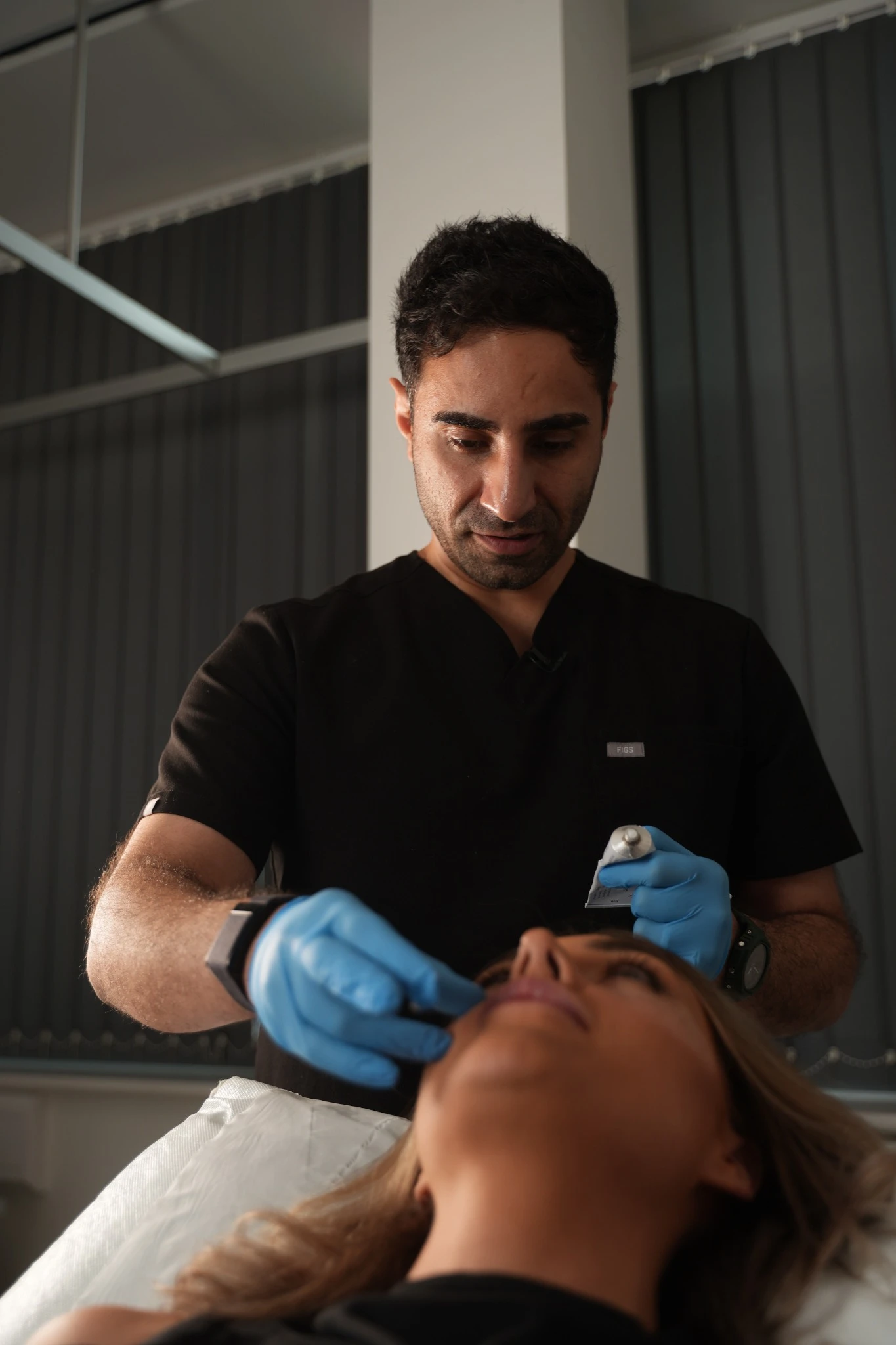
Every polynucleotide treatment at Skinfinity begins with a full medical consultation with our doctor. We assess your skin, discuss your concerns and goals, and confirm whether polynucleotides are the most appropriate aesthetic treatment for you. We will never recommend a treatment unless it is genuinely suitable.
Consultation: Full medical consultation with our doctor. We assess your skin, discuss your concerns and confirm suitability. No pressure to proceed.
The treatment: Around 20–30 minutes. Fine injections into targeted areas using Plinest by Mastelli. Numbing cream available for comfort.
After treatment: Mild redness or small bumps are normal and settle within 24–48 hours. Most patients return to normal activities the same day.
Results timeline: Initial improvement at 2–4 weeks. Full results at 6–12 weeks. Results last 6–9 months. Maintenance every 6 months.
Pricing: From £350 for a course of 3 sessions. Full pricing confirmed at consultation. No hidden costs.
Book a Polynucleotide Consultation in Leeds
If your skin is starting to look tired, thinner or less resilient, polynucleotides can help restore skin quality naturally. Our doctor will assess your skin and create a tailored treatment plan with honest advice and no pressure to commit.
Skinfinity Clinic Leeds 4600 Park Approach, Leeds LS15 8GB Located within LivingCare Group Private Hospital · CQC-registered · Doctor-led
Frequently Asked Questions
Are polynucleotides better than Botox?
Polynucleotides and Botox work differently and serve different purposes. Botox relaxes the muscles responsible for dynamic wrinkles, while polynucleotides work at a cellular level to stimulate collagen and elastin production, improving overall skin quality. For patients concerned with skin texture, hydration, and long-term skin health rather than muscle movement, polynucleotides are often the more appropriate choice. Some patients benefit from both treatments used in combination.
What do polynucleotides do to your skin?
Polynucleotides are biostimulators. Injected into the skin, they activate fibroblasts — the cells responsible for producing collagen and elastin. Over a course of treatment, this leads to improved skin texture, hydration, firmness, and elasticity. Results are gradual and natural-looking, as the treatment supports your skin's own repair processes rather than adding volume.
How long do polynucleotide injections last?
Results from polynucleotide treatment typically last between six and nine months. Most patients notice gradual improvement from around four to six weeks after their first session, with optimal results visible at approximately two months. Maintenance sessions are recommended to sustain results.
Will one session of polynucleotides do anything?
One session can begin the process of skin regeneration, but most patients require a course of two to three treatments spaced two to three weeks apart to see meaningful results. Polynucleotides work cumulatively — each session builds on the last. A single session is unlikely to deliver the full benefit of the treatment.
How many rounds of polynucleotides do you need?
Most patients benefit from an initial course of two to three sessions, spaced two to three weeks apart. After this, a maintenance session every six to nine months is typically recommended to sustain results. Your doctor will advise on the most appropriate plan based on your skin concerns and treatment response.
Do and don'ts after polynucleotides?
After polynucleotide treatment, avoid touching or pressing the treated area, applying makeup for 12 hours, intense exercise, alcohol, and excessive heat — including saunas and hot showers — for 24 to 48 hours. Staying well hydrated and protecting the skin with SPF is encouraged. Minor swelling or small lumps at injection sites are normal and usually resolve within a few days.
What are polynucleotides made from?
Polynucleotides are made from purified DNA fragments from salmon or trout. Some people call this the “salmon sperm facial.”
The DNA is carefully processed. It is filtered and sterilised to medical-grade standards. This makes it safe and compatible with the human body. At Skinfinity, we use Plinest by Mastelli.
About the author

Dr Mahmoon Rashid, MBChB
Doctor and Clinical Lead, Skinfinity Clinic Leeds
Dr Mahmoon Rashid is a qualified doctor and Clinical Lead at Skinfinity Clinic Leeds in Leeds, where every treatment is doctor-led. His focus is regenerative, skin-quality treatments, including Sunekos, polynucleotides, Julaine and chemical peels, alongside OBSERV-led skin assessment and structured collagen-banking plans.
He treats at Skinfinity's CQC-registered clinic within LivingCare Group Private Hospital, 4600 Park Approach, Leeds LS15 8GB.
Meet Dr Mahmoon