How Long Do Fillers Last? (Dermal Filler Longevity Guide) Leeds
At Skinfinity in Leeds, we take a doctor-led, long-term approach. Fillers are not about chasing lines and wrinkles. They are about restoring structure and maintaining harmony as we lose volume over time.
The Quick Answer: How Long Do Dermal Fillers Last?
Most hyaluronic acid fillers last 9 to 18 months. In some structural areas, they can last 18 months or longer.
However:
- Lips often last 6–12 months
- Cheeks and midface typically last 12–18 months
- Chin and jawline commonly last around 12–18 months
- Tear troughs can last 12–18 months or more
The reason? Movement, metabolism, and placement depth all influence how the body begins breaking down fillers.
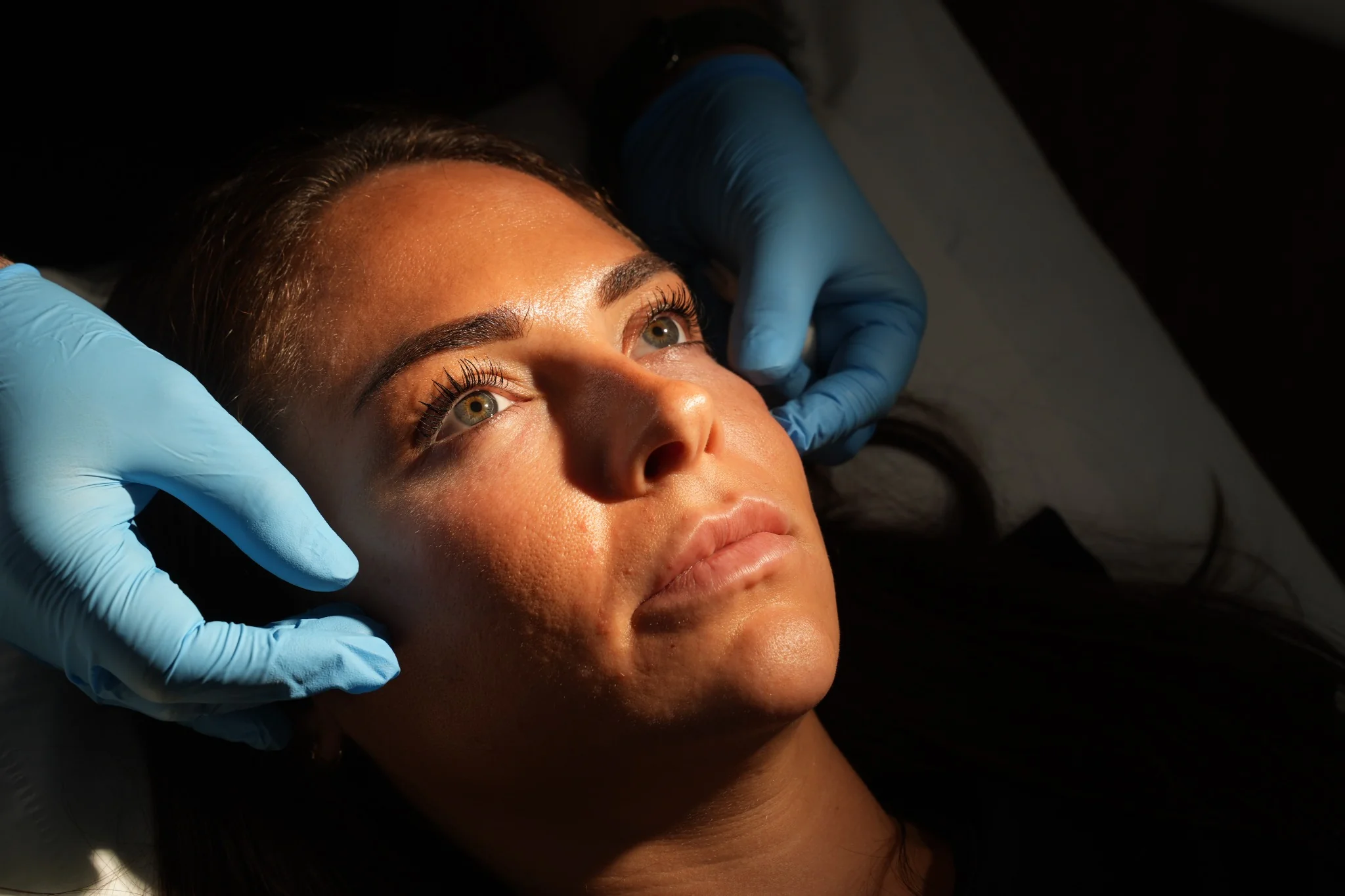
Skin Quality vs Structure: Why This Matters
A common misconception is that fillers fix everything. They don’t!
Fillers are used to:
- Replace volume loss
- Restore the shape of the face
- Support midface structure
- Improve profile balancing (chin, jawline)
- Soften deep folds caused by volume changes
Regenerative like Julaine treatments are better for:
- Fine lines
- Texture issues
- Crepiness
- Dullness
- Collagen decline
If skin quality is the main issue, adding more filler can look heavy. In those cases, treatments that stimulate collagen products and improve tissue quality are often more appropriate.
The key is identifying whether the concern is structural or surface-level. Read more about Julaine here.
Real Example from Skinfinity: Donna, 40s
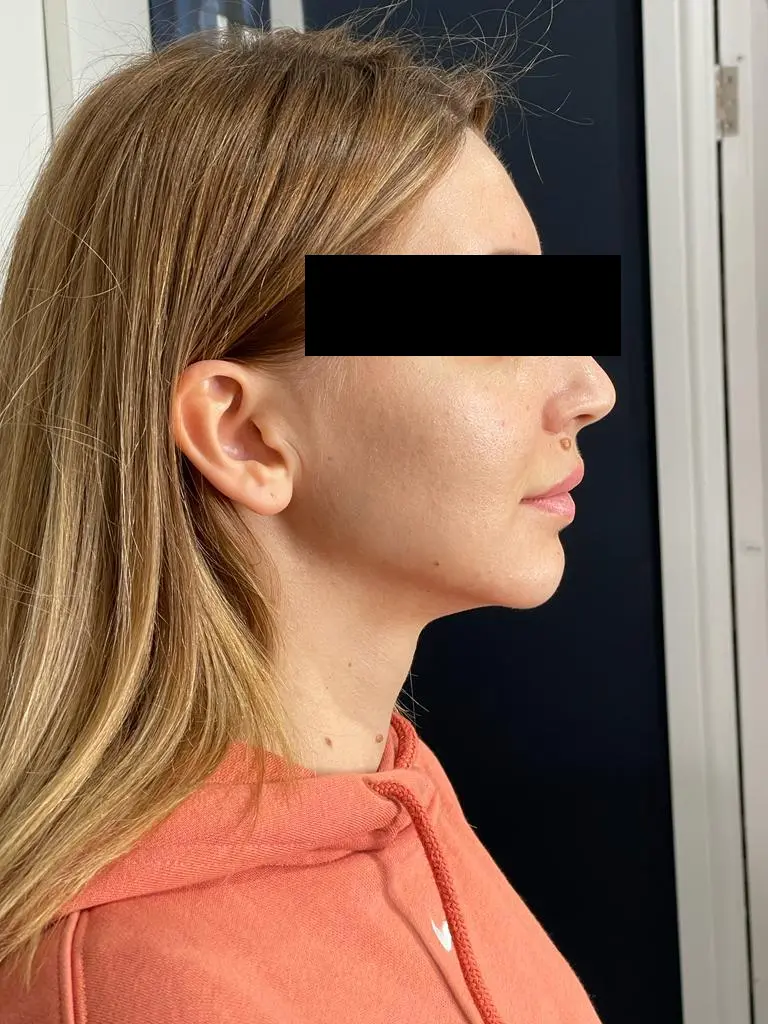
Donna came to us concerned about early smile line formation and slight pre-jowl changes. Donna was not showing signs of severe skin laxity or aging but she had begun to lose volume in her midface.
That volume loss was contributing to:
- Mild nasolabial fold prominence
- Subtle pre-jowl formation
- A softening of her lower facial contour
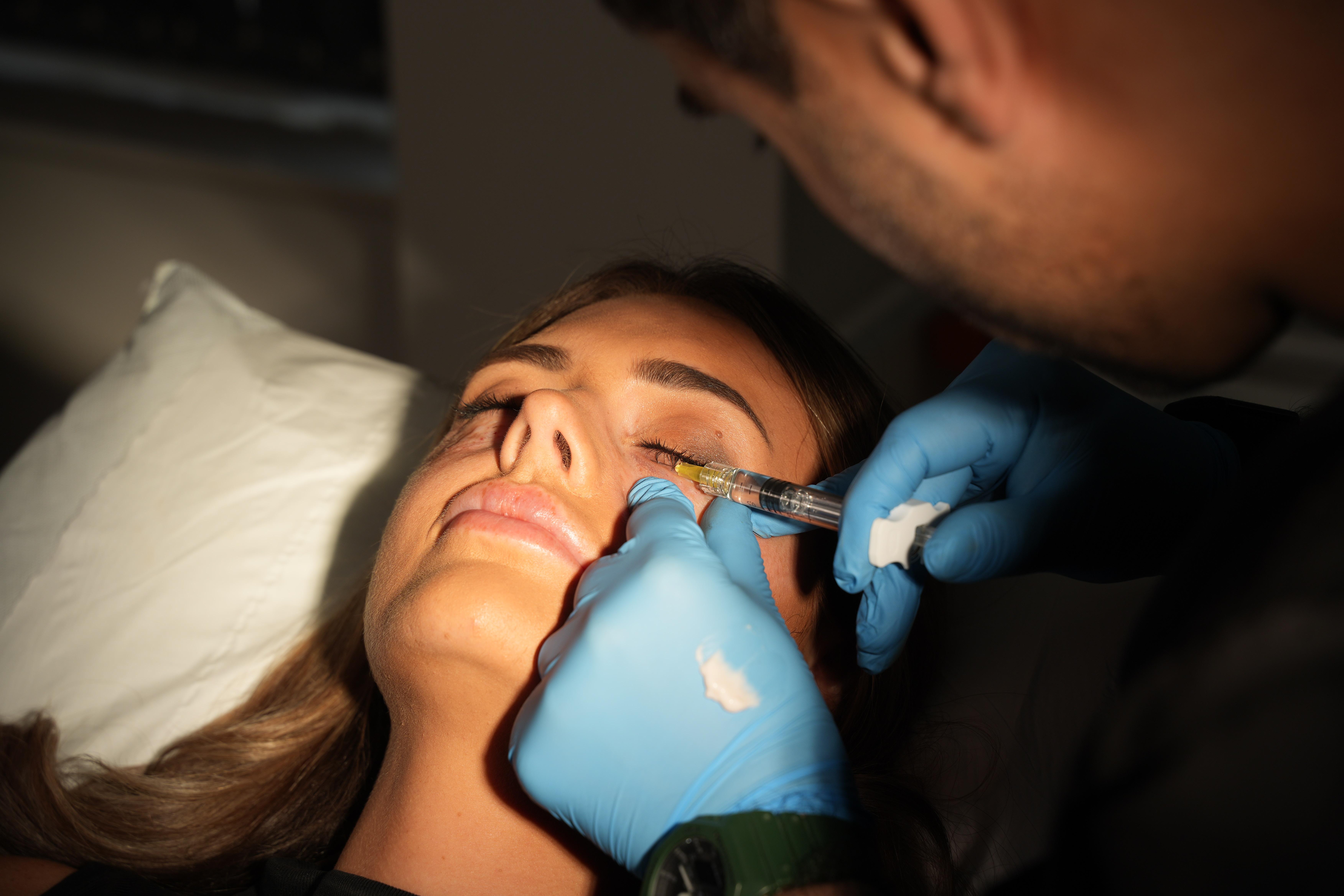
We did not treat the lines directly. Instead, we used Revanesse hyaluronic acid filler in the midface and pre-auricular area. This replaced lost volume and indirectly supported the lower face.
By restoring structure, we:
- Created a more youthful contour
- Softened her lines naturally
- Avoided overfilling
The result looked like Donna, just fresher and lifted.

Why Filler Choice Is Essential for Results
Not all dermal fillers offer the same quality, and their quality varies hugely. Because of the lack of regulation in the UK, you can buy cheap, unregulated dermal fillers online. These fillers often have poor quality ingredients and no proven safety profile.
The type of filler used in the area makes a significant difference to both results and migration. Revanesse dermal filler is manufactured by Prollenium and is known for:
- High molecular weight hyaluronic acid
- Refined gel consistency
- Low levels of BDDE cross-linking agent
Clinical studies support its safety and duration:
- The Revanesse Versa randomised trial in nasolabial folds demonstrated correction lasting up to 12 months.
- The Revanesse Lips+ clinical study showed sustained lip augmentation results with strong safety data.
Product selection influences:
- How long do dermal fillers last
- How natural the result appears
- How the gel integrates into tissue
- The likelihood of swelling or irregularity
This is why doctor-led assessment matters.
What Affects Filler Longevity?
Several factors influence how long do dermal fillers last:
- The filler treatment area
- Your metabolism
- Movement (lips break down faster)
- Placement depth
- Lifestyle habits
- Excessive sun exposure
- Whether you maintain a healthy lifestyle
High-movement areas tend to metabolise filler faster. Structural areas placed deeper typically last longer.
What Happens When Fillers Wear Off?
As filler gradually breaks down, the treated area returns toward baseline. It does not suddenly collapse or sag.
When filler used the area was placed correctly and conservatively:
- You maintain structure longer
- Maintenance is subtle
- Results remain balanced
Excessive top-ups are unnecessary if your treatment plan is structured properly.
Safety and Doctor-Led Care in Leeds
Dermal fillers are injectable medical treatments. While minimal downtime is expected, proper technique is essential to protect blood vessels and surrounding tissue.
At Skinfinity:
- We prioritise anatomical assessment
- We focus on natural results
- We avoid trend-led overfilled looks
- We provide full complication management capability
Choosing a doctor-led clinic in Leeds ensures both safety and aesthetic precision.
Final Thoughts
So, how long do fillers last?
For most patients, expect around 12–18 months, depending on area and product. But longevity is only part of the conversation.
The real goal is to:
- Replace volume loss strategically
- Maintain facial harmony
- Create a more youthful, refreshed version of you
If you’re considering dermal filler treatments in Leeds and want expert, balanced advice:
Book a dermal filler consultation in Leeds at Skinfinity and we’ll create a personalised, medically-led plan tailored to you.
Frequently Asked Questions
How long do fillers last in Leeds?
Most dermal fillers last between 6 and 18 months. Lips usually last 6–12 months, while cheeks and jawline often last 12–18 months. Longevity depends on the type of filler, placement depth, and individual metabolism.
Do fillers last longer the second time?
In many cases, yes. Once foundational volume is restored, maintenance treatments may require smaller amounts and can last longer. A structured, conservative plan often reduces the need for frequent top-ups.
Can fillers migrate?
Filler migration can occur, but it is usually linked to:
- Excessive product use
- Incorrect placement
- Poor technique
- Treating areas too frequently
When filler is placed conservatively by an experienced, doctor-led clinic, migration risk is significantly reduced.
Do fillers ever fully go away?
Most hyaluronic acid fillers gradually break down over time. However, some filler can persist longer than expected, particularly in deeper structural areas or after repeated treatments. Longevity varies by product and individual metabolism.
What happens when fillers wear off?
As filler slowly metabolises, the treated area returns toward its baseline appearance. Properly placed filler does not cause sagging or worsen ageing when it wears off.
About the author

Dr Mahmoon Rashid, MBChB
Doctor and Clinical Lead, Skinfinity Clinic Leeds
Dr Mahmoon Rashid is a qualified doctor and Clinical Lead at Skinfinity Clinic Leeds in Leeds, where every treatment is doctor-led. His focus is regenerative, skin-quality treatments, including Sunekos, polynucleotides, Julaine and chemical peels, alongside OBSERV-led skin assessment and structured collagen-banking plans.
He treats at Skinfinity's CQC-registered clinic within LivingCare Group Private Hospital, 4600 Park Approach, Leeds LS15 8GB.
Meet Dr Mahmoon